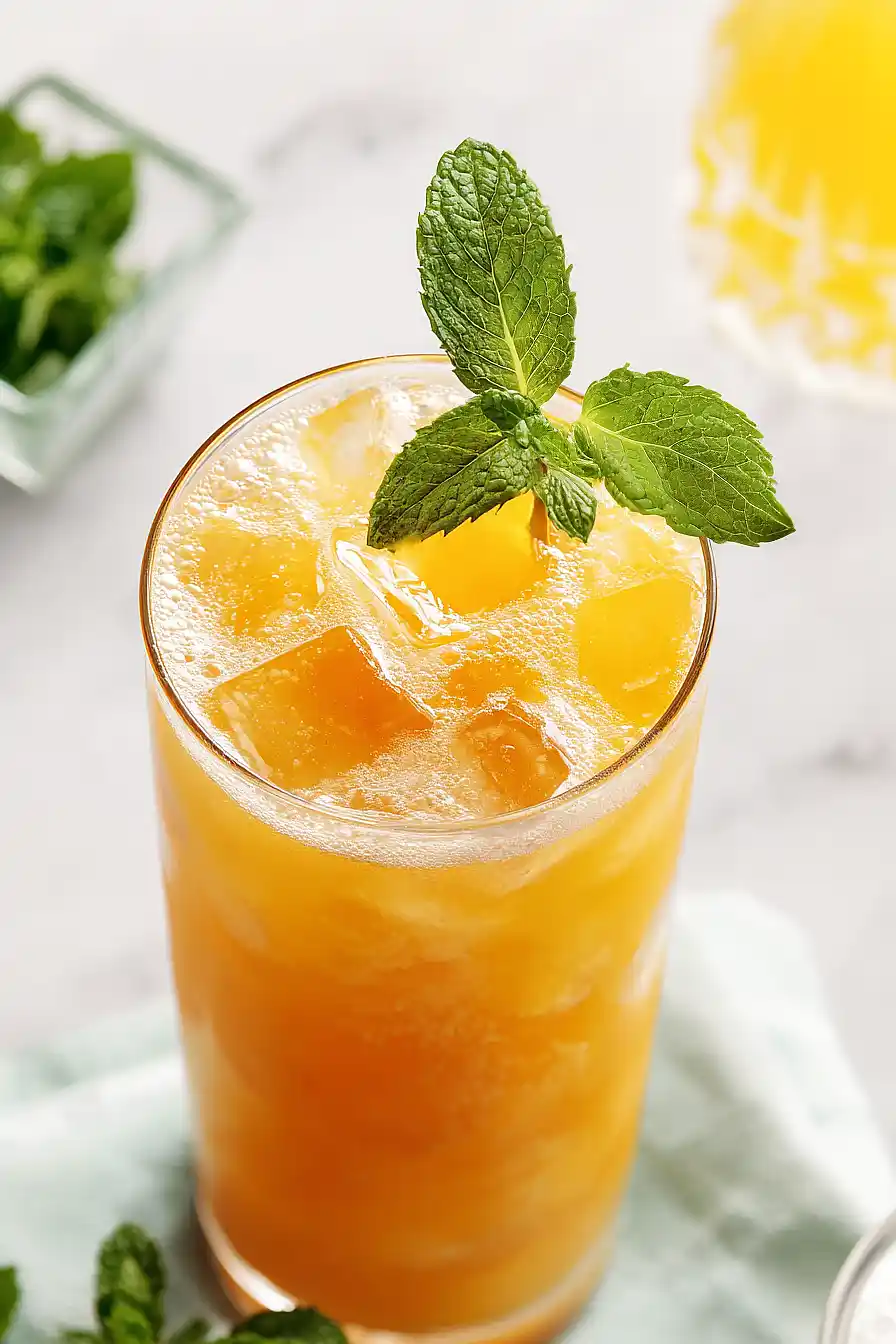
If you ask me, homemade apricot nectar is one of summer’s best-kept secrets.
This simple drink takes fresh apricots and turns them into a sweet, smooth nectar that’s perfect for sipping on a hot afternoon. The fruit simmers with sugar and water until everything breaks down into something really special.
A squeeze of fresh lemon juice brightens things up, while a touch of vanilla and sea salt round out the flavors. You can serve it chilled over ice or mix it into cocktails and mocktails.
It’s the kind of recipe that makes you wonder why anyone buys the store-bought stuff, especially when apricots are in season.
Why You’ll Love This Apricot Nectar
- Just four ingredients – You only need apricots, sugar, lemon juice, and water to make this refreshing drink from scratch.
- Natural and homemade – Skip the store-bought versions with additives and make your own fresh nectar that tastes so much better than anything from a bottle.
- Perfect for summer – This sweet and tangy drink is incredibly refreshing on hot days, and you can serve it chilled or over ice.
- Great way to use fresh apricots – When apricots are in season, this recipe helps you make the most of them and enjoy their flavor long after summer ends.
- Ready in under an hour – From start to finish, you’ll have homemade apricot nectar ready to enjoy in less than an hour.
What Kind of Apricots Should I Use?
Fresh, ripe apricots are your best bet for making nectar with the most flavor. Look for apricots that are slightly soft to the touch and have a sweet fragrance – they should give just a little when you gently squeeze them. If your apricots are a bit underripe, that’s actually okay since they’ll still have plenty of natural pectin and tartness to balance out the sugar. You can use any variety of apricot you find at the market, whether that’s the common Blenheim, Moorpark, or whatever looks good at your local store. Just avoid apricots that are overly mushy or have brown spots, as these won’t give you the fresh, bright flavor you’re looking for.
Options for Substitutions
This simple nectar recipe is pretty straightforward, but here are a few swaps you can make:
- Fresh apricots: If fresh apricots aren’t in season, you can use frozen apricots instead. Just thaw them completely and drain any excess liquid before starting. Canned apricots work too, but reduce the sugar to about 300g since they’re already sweetened.
- Sugar: You can use either caster or granulated sugar – they work the same way here. If you want a less sweet version, start with 300g and taste as you go, adding more if needed. Honey can replace about half the sugar for a different flavor profile.
- Lemon juice: Fresh lemon juice is best, but bottled lemon juice works in a pinch. You can also use lime juice for a slightly different citrus note.
- Water: The water amount is pretty important for getting the right consistency, so I’d stick with the recipe amount. If you want a thicker nectar, you can reduce it to 750ml, but keep in mind it’ll be more concentrated.
Watch Out for These Mistakes While Cooking
The biggest mistake when making apricot nectar is not sterilizing your jars properly before filling them, which can lead to spoilage – always wash jars in hot soapy water and keep them warm until you’re ready to fill them.
Overfilling the jars is another common error that can cause the nectar to overflow during the water bath, so stick to the 3/4 full guideline and make sure the water level comes at least halfway up the sides of the jars during boiling.
When pressing the mixture through the sieve, work in batches and use a wooden spoon to push through as much pulp as possible for a thicker, more flavorful nectar – rushing this step leaves you with a watery result.
Finally, resist the urge to tighten the jar lids too much before the water bath, as they need to be “finger tight” to allow air to escape during processing, and always let the jars cool undisturbed for 12-24 hours before checking the seals.

What to Serve With Apricot Nectar?
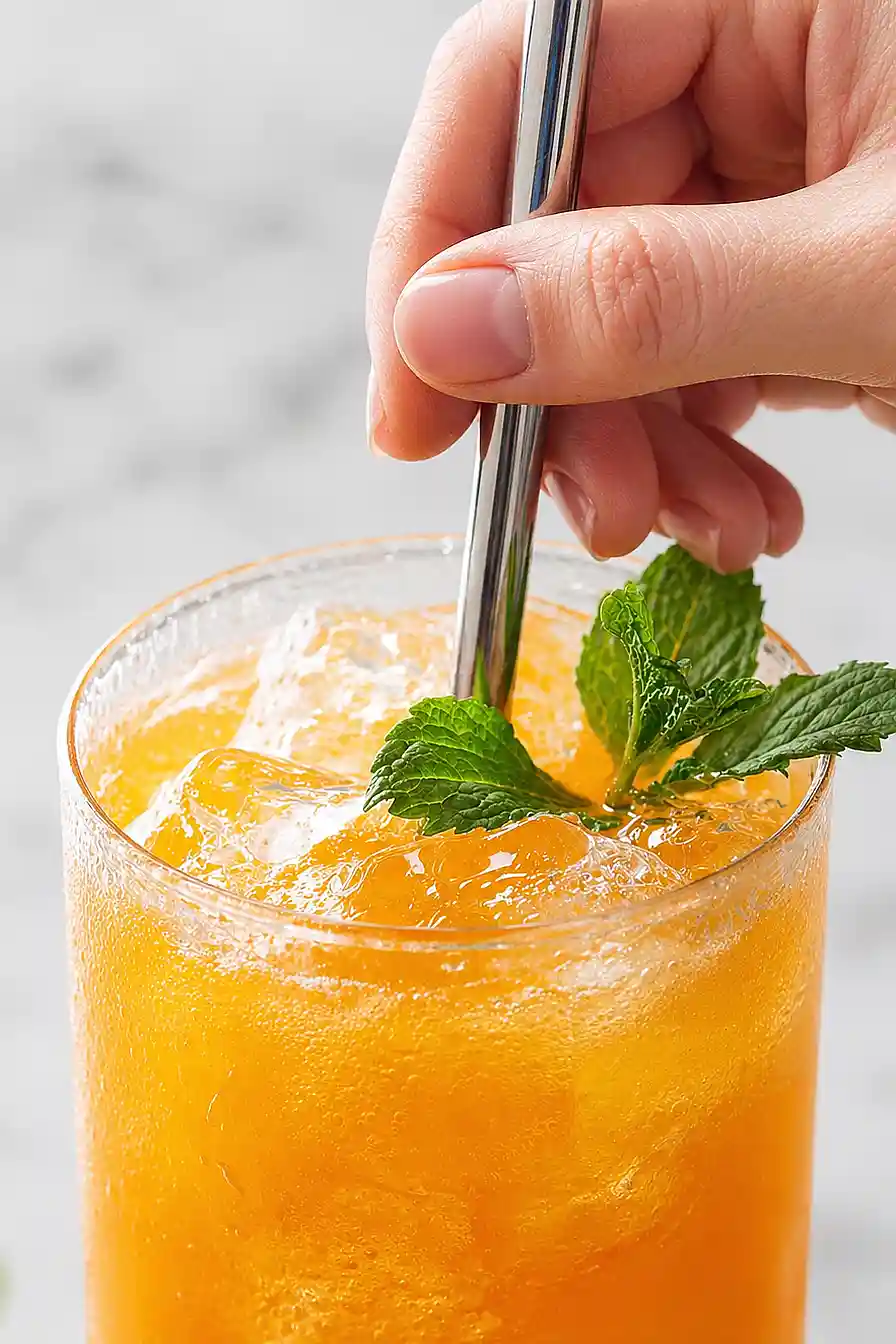
Apricot nectar is perfect for sipping on its own over ice on a hot day, but it’s also great mixed with sparkling water for a refreshing homemade soda. You can use it as a base for cocktails or mocktails – it pairs really well with vodka, gin, or just a splash of lime juice and fresh mint. This nectar also works beautifully drizzled over vanilla ice cream, mixed into plain yogurt for breakfast, or even used as a sweetener in iced tea. If you’re feeling fancy, pour it into popsicle molds and freeze for a simple summer treat.
Storage Instructions
Refrigerate: Once your apricot nectar has cooled down, transfer it to clean glass bottles or jars with tight-fitting lids. It’ll stay fresh in the fridge for about 5-7 days, and honestly tastes even better after a day when all the flavors have had time to meld together.
Freeze: This nectar freezes really well if you want to enjoy it later. Pour it into freezer-safe containers, leaving about an inch of space at the top for expansion, and it’ll keep for up to 3 months. Ice cube trays work great too if you want smaller portions to add to smoothies or cocktails.
Serve: Give the nectar a good shake or stir before serving since it might settle a bit. If you froze it, just thaw it overnight in the fridge. Serve it chilled over ice, or dilute it with some sparkling water if you find it too sweet or concentrated.
| Preparation Time | 10-15 minutes |
| Cooking Time | 35-40 minutes |
| Total Time | 45-55 minutes |
| Level of Difficulty | Medium |
| Servings | 5 cups of nectar |
Estimated Nutrition
Estimated nutrition for the whole recipe (without optional ingredients):
- Calories: 1600-1750
- Protein: 5-6 g
- Fat: 1-2 g
- Carbohydrates: 400-430 g
Ingredients
- 2.2 lb apricots (pitted and halved)
- 2 cups sugar
- 1.5 lemons (freshly squeezed)
- 34 fl oz water
- 1/2 teaspoon vanilla extract
- 1 pinch sea salt
Step 1: Prepare Apricots and Combine with Water
- 2.2 lb apricots
- 34 fl oz water
Pit and halve the apricots, then place them in a large pot with the water.
Bring to a boil over medium-high heat, then reduce to a gentle simmer.
Cook uncovered for 30 minutes, stirring occasionally, until the apricots are completely soft and begin to break down.
This extended simmer extracts maximum flavor and natural pectin from the fruit.
Step 2: Build Flavor with Sugar and Citrus
- simmered apricots and water from Step 1
- 2 cups sugar
- 1.5 lemons
- 1/2 teaspoon vanilla extract
- 1 pinch sea salt
Add the sugar, freshly squeezed lemon juice, vanilla extract, and sea salt to the simmered apricots.
Stir well to dissolve the sugar completely, then continue cooking for 5 minutes over medium heat.
The lemon juice brightens the apricot flavor while the salt enhances overall sweetness—I find this small addition makes a surprising difference in depth.
The vanilla adds subtle complexity without overpowering the fruit.
Step 3: Strain and Puree the Mixture
- flavored apricot mixture from Step 2
Working in batches if necessary, press the cooked apricot mixture through a fine-mesh sieve into a clean bowl, using the back of a spoon to extract as much liquid and pulp as possible.
Discard the skins and any remaining solids.
This creates a smooth, silky nectar with the perfect consistency—pressing rather than blending keeps the color vibrant and gives you more control over the final texture.
Step 4: Fill and Preserve in Sterilized Jars
- strained apricot nectar from Step 3
Using sterilized jars (wash in hot soapy water, rinse, and heat in a 350°F oven for 10 minutes), carefully pour the strained nectar into jars, filling them about 3/4 full.
Leave adequate headspace to allow for expansion during the canning process.
Wipe jar rims clean with a damp cloth before sealing with lids and bands.
Step 5: Process Jars in Boiling Water Bath
- filled jars from Step 4
Place the filled jars upright in a large pot filled with enough water to cover them by 1-2 inches.
Bring the water to a rolling boil and maintain a gentle boil for 30 minutes.
This water-bath canning process safely preserves the nectar by creating a seal that prevents spoilage.
I always set a timer to ensure consistent processing time—even a few minutes off can affect preservation.
Step 6: Cool and Store
Carefully remove the jars from the boiling water using a jar lifter and set them upright on a clean kitchen towel or wire rack to cool completely at room temperature.
This typically takes 12-24 hours.
Do not move or disturb the jars during cooling, as this allows the seals to set properly.
Once fully cooled, check that each lid has sealed (the center should be indented and not flex when pressed).
Store sealed jars in a cool, dark place for up to 1 year.
Natural Apricot Nectar
Ingredients
Method
- Pit and halve the apricots, then place them in a large pot with the water. Bring to a boil over medium-high heat, then reduce to a gentle simmer. Cook uncovered for 30 minutes, stirring occasionally, until the apricots are completely soft and begin to break down. This extended simmer extracts maximum flavor and natural pectin from the fruit.
- Add the sugar, freshly squeezed lemon juice, vanilla extract, and sea salt to the simmered apricots. Stir well to dissolve the sugar completely, then continue cooking for 5 minutes over medium heat. The lemon juice brightens the apricot flavor while the salt enhances overall sweetness—I find this small addition makes a surprising difference in depth. The vanilla adds subtle complexity without overpowering the fruit.
- Working in batches if necessary, press the cooked apricot mixture through a fine-mesh sieve into a clean bowl, using the back of a spoon to extract as much liquid and pulp as possible. Discard the skins and any remaining solids. This creates a smooth, silky nectar with the perfect consistency—pressing rather than blending keeps the color vibrant and gives you more control over the final texture.
- Using sterilized jars (wash in hot soapy water, rinse, and heat in a 350°F oven for 10 minutes), carefully pour the strained nectar into jars, filling them about 3/4 full. Leave adequate headspace to allow for expansion during the canning process. Wipe jar rims clean with a damp cloth before sealing with lids and bands.
- Place the filled jars upright in a large pot filled with enough water to cover them by 1-2 inches. Bring the water to a rolling boil and maintain a gentle boil for 30 minutes. This water-bath canning process safely preserves the nectar by creating a seal that prevents spoilage. I always set a timer to ensure consistent processing time—even a few minutes off can affect preservation.
- Carefully remove the jars from the boiling water using a jar lifter and set them upright on a clean kitchen towel or wire rack to cool completely at room temperature. This typically takes 12-24 hours. Do not move or disturb the jars during cooling, as this allows the seals to set properly. Once fully cooled, check that each lid has sealed (the center should be indented and not flex when pressed). Store sealed jars in a cool, dark place for up to 1 year.