If you ask me, fig season is the best time to bake.
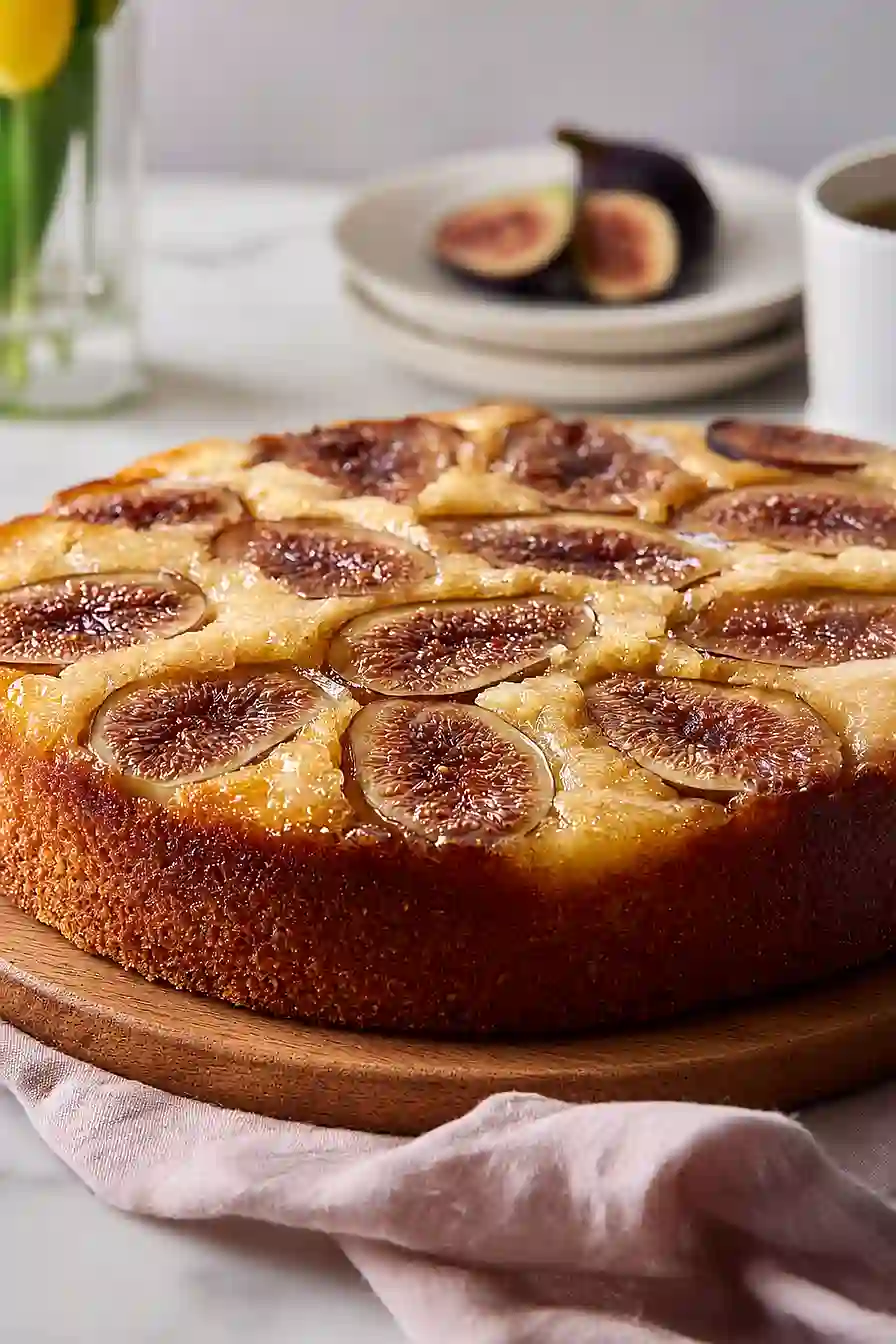
This simple olive oil cake celebrates fresh figs in a way that feels special without being fussy. Sweet fig slices sit on top of a tender, citrus-scented cake that gets its moisture from good olive oil instead of butter.
A hint of lemon zest and cinnamon work their way through the batter, while a basic lemon glaze adds just enough sweetness. The olive oil gives the cake a lovely texture that stays moist for days.
It’s an easy dessert that feels grown-up but comes together in one bowl, perfect for a weekend baking project or whenever you spot beautiful figs at the market.
Why You’ll Love This Fig Olive Oil Cake
- Simple, everyday ingredients – You probably have most of these staples in your pantry already, making this an easy cake to whip up without a special grocery run.
- Quick and easy to make – This cake comes together in under an hour, perfect for when you need a homemade dessert without spending all day in the kitchen.
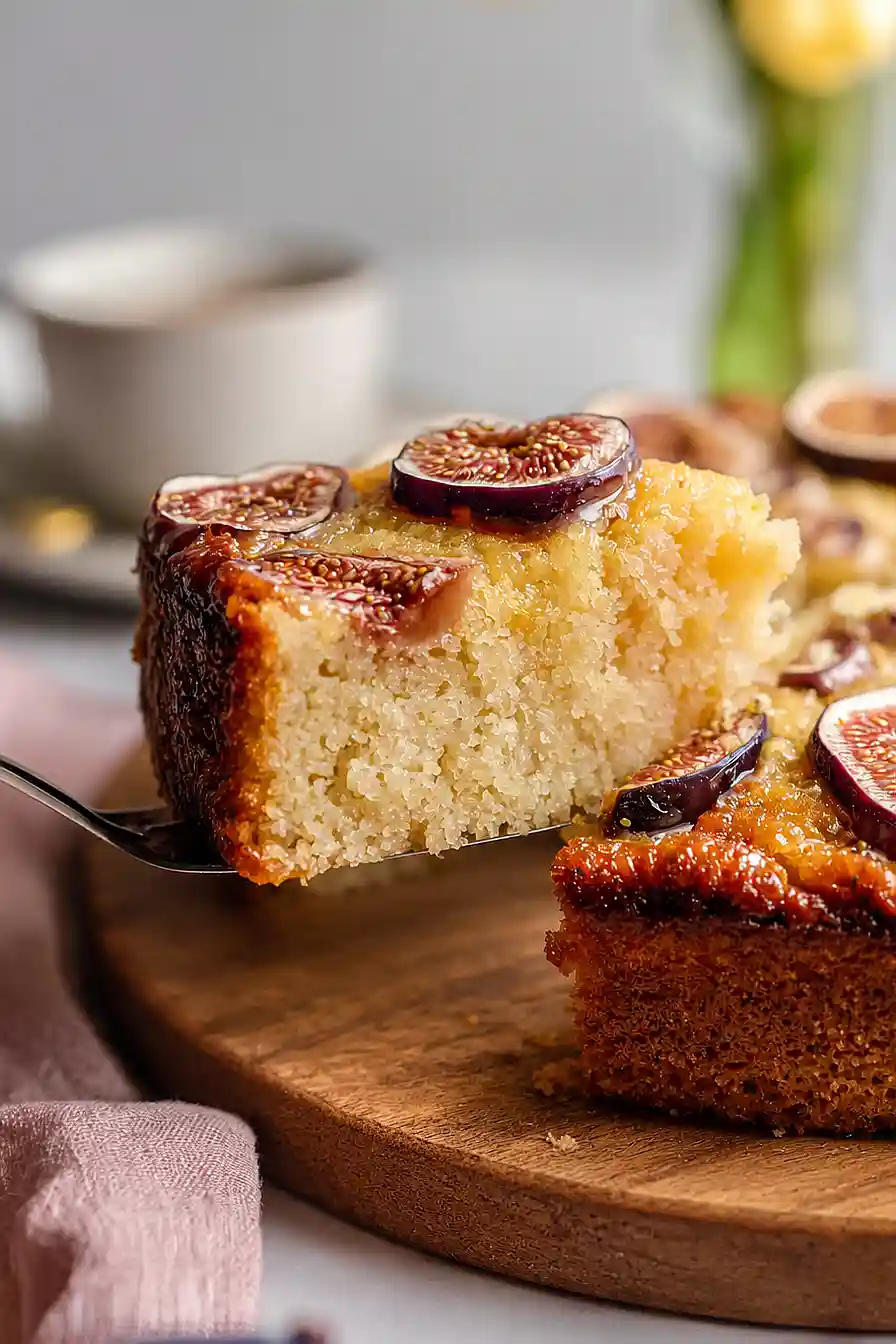
- Moist and flavorful – The olive oil keeps this cake incredibly tender, while the fresh figs and lemon zest add a bright, fruity flavor that’s not too sweet.
- Impressive but approachable – This cake looks and tastes fancy enough for guests, but it’s straightforward enough for beginner bakers to nail on the first try.
What Kind of Figs Should I Use?
Fresh figs are the star of this cake, and you have a few good options to choose from. Black Mission figs and Brown Turkey figs are probably the most common varieties you’ll find at the grocery store, and both work great in this recipe. If you can find them, Calimyrna figs are a bit sweeter and have a lovely golden color that looks beautiful when sliced. The most important thing is to choose figs that are ripe but still firm – they should give slightly when you press them but not be mushy. If your figs are too soft, they’ll turn to mush when baked, and if they’re too firm, they won’t have that sweet, jammy flavor we’re looking for.
Options for Substitutions
This cake is pretty forgiving when it comes to swaps, so here are some options if you need them:
- Figs: Fresh figs can be swapped with other fruits like sliced pears, plums, or even berries. You could also use dried figs that have been soaked in warm water for 10 minutes and then sliced.
- Olive oil: While olive oil gives this cake its signature flavor, you can use a neutral oil like vegetable or canola if you prefer a milder taste. Just know the cake won’t have that same fruity, peppery note.
- Milk: Any milk works here – whole, 2%, almond, oat, or soy milk will all do the job just fine.
- Lemon: If you’re out of lemons, try orange zest and juice for a different citrus twist. The measurements stay the same.
- All-purpose flour: You can substitute with a 1:1 gluten-free flour blend if needed, though the texture might be slightly different.
Watch Out for These Mistakes While Baking
The biggest mistake when making olive oil cake is using a cheap or strongly flavored olive oil, which can make your cake taste bitter or overly grassy – stick with a mild, fruity extra virgin olive oil for the best results.
Overmixing the batter is another common error that leads to a dense, tough cake instead of a light, tender crumb, so mix just until the ingredients are combined and you don’t see any dry flour.
Since olive oil cakes can stick easily, make sure to grease your pan well and let the cake cool completely before flipping it over, or you might end up with half your cake stuck to the pan.
Finally, don’t skip the lemon zest – it’s what balances the richness of the olive oil and brings out the sweetness of the figs, so use a microplane to get just the yellow part of the peel without any bitter white pith.
What to Serve With Fig Olive Oil Cake?
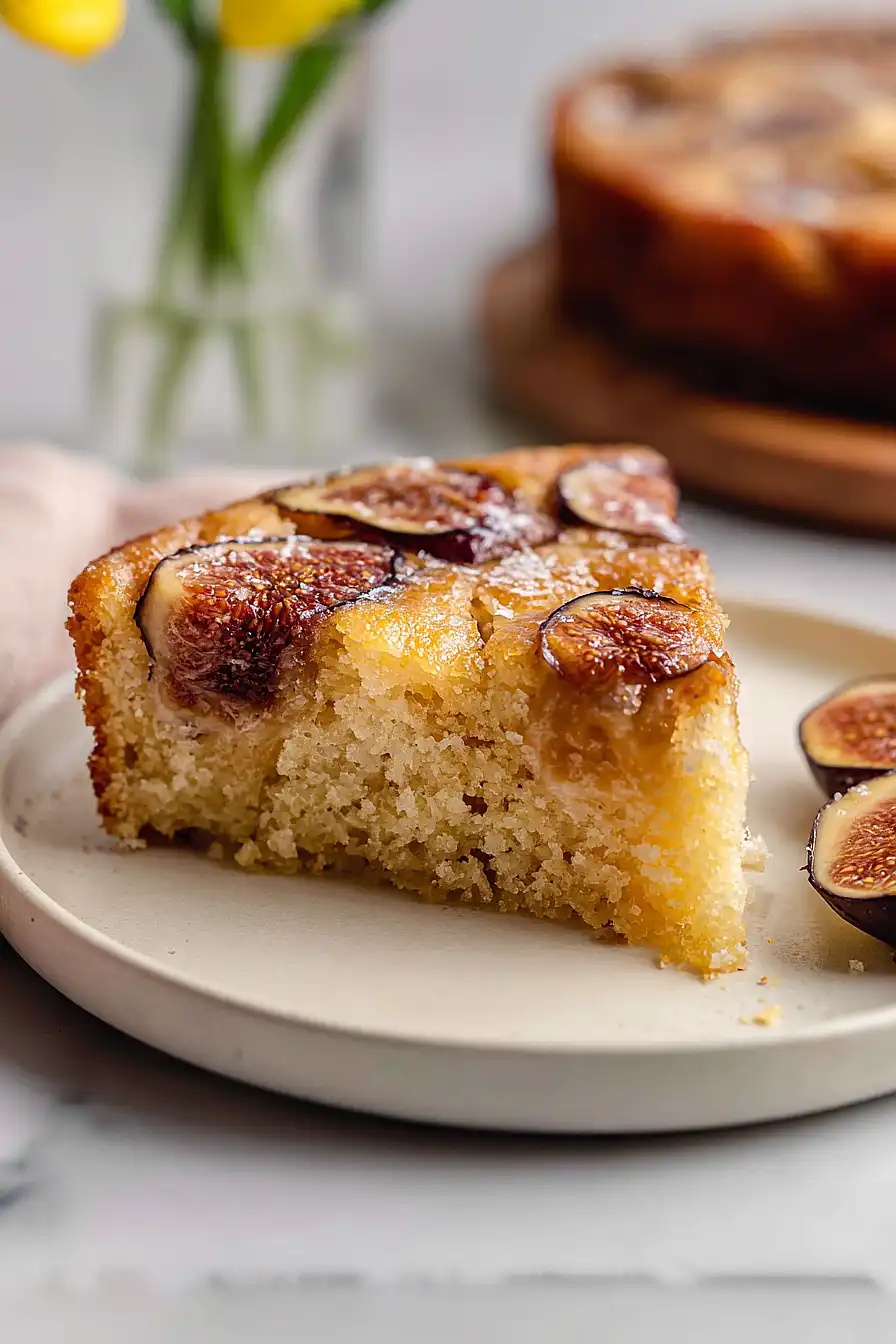
This cake is perfect for an afternoon coffee break or as a light dessert after dinner. I love serving it with a dollop of whipped cream or a scoop of vanilla ice cream, which balances out the fruity sweetness of the figs and the richness of the olive oil. A cup of hot tea or espresso makes a great pairing too, especially if you’re enjoying a slice in the afternoon. If you want to dress it up a bit, try adding some fresh berries on the side or a drizzle of honey for extra sweetness.
Storage Instructions
Store: This cake actually gets better after a day or two as the flavors meld together. Keep it covered with plastic wrap or in an airtight container at room temperature for up to 3 days, or in the fridge for up to a week if you prefer it chilled.
Freeze: You can freeze this cake for up to 3 months, either whole or in slices. Wrap it tightly in plastic wrap, then in foil to prevent freezer burn. If you added the lemon glaze, I’d recommend freezing it without the glaze and adding it fresh after thawing.
Serve: Let frozen slices thaw at room temperature for about an hour before serving. This cake is delicious at room temperature or slightly warmed – just pop a slice in the microwave for about 10 seconds if you want it a bit warm.
| Preparation Time | 10-15 minutes |
| Cooking Time | 35-40 minutes |
| Total Time | 45-55 minutes |
| Level of Difficulty | Easy |
| Servings | 8 slices |
Estimated Nutrition
Estimated nutrition for the whole recipe (without optional ingredients):
- Calories: 2750-2950
- Protein: 22-26 g
- Fat: 110-120 g
- Carbohydrates: 410-440 g
Ingredients
For the cake:
- 6-7 figs (sliced into 1/4-inch rounds)
- 1 1/2 cups flour
- 1 1/8 cups sugar
- 1/2 tsp salt
- 2 tsp baking powder
- 1 tbsp lemon zest
- 1 cup olive oil
- 1 egg (room temperature)
- 1/2 cup milk
- 2 tbsp lemon juice
- 1 tsp vanilla extract
- 1/4 tsp ground cinnamon
For the glaze:
- 1/2 cup icing sugar (sifted)
- 2 tsp lemon juice
- 1/2 tsp water
Step 1: Prepare Pan and Preheat Oven
- Parchment paper
- Oil spray
Preheat your oven to 350°F.
While it heats, line a 9-inch round cake pan (or 8×8 baking dish) with parchment paper and lightly spray it with oil.
This prevents sticking and makes it easy to flip the cake later to showcase the beautiful fig topping.
Step 2: Arrange Figs in Pan
- 6-7 figs
Slice your figs into 1/4-inch rounds and arrange them in a single layer across the bottom of your prepared pan.
I like to overlap them slightly in a circular pattern—it looks elegant when you flip the cake, and the figs caramelize beautifully against the bottom of the pan during baking.
Step 3: Mix Dry Ingredients
- 1 1/2 cups flour
- 1 1/8 cups sugar
- 1/2 tsp salt
- 2 tsp baking powder
In a large bowl, whisk together the flour, sugar, salt, and baking powder until evenly combined.
This aerates the dry mixture and ensures the baking powder is distributed throughout, which helps the cake rise evenly.
Step 4: Combine Wet Ingredients and Create Batter
- dry ingredient mixture from Step 3
- 1 tbsp lemon zest
- 1 cup olive oil
- 1 egg
- 1/2 cup milk
- 2 tbsp lemon juice
- 1 tsp vanilla extract
- 1/4 tsp ground cinnamon
Add the lemon zest to the dry mixture, then create a well in the center.
Pour in the olive oil, room temperature egg, milk, lemon juice, vanilla extract, and cinnamon.
Whisk until just combined—don’t overmix, as this keeps the cake tender.
I find that using room temperature eggs helps them blend smoothly with the oil, creating a better emulsion and more tender crumb.
Step 5: Bake the Cake
- batter from Step 4
- figs from Step 2
Carefully pour the batter from Step 4 over the arranged figs, spreading it gently to an even layer.
Bake for 35 minutes, or until a toothpick inserted into the center comes out with just a few moist crumbs.
The top should be golden brown.
Remove from the oven and let the cake cool in the pan for 10 minutes before inverting it onto a serving plate so the figs are on top.
Step 6: Make and Drizzle Glaze
- 1/2 cup icing sugar
- 2 tsp lemon juice
- 1/2 tsp water
While the cake cools, whisk together the sifted icing sugar, lemon juice, and water in a small bowl until you reach a smooth, pourable consistency.
Drizzle the glaze over the cooled cake just before serving—this adds brightness and a subtle sweetness that complements the figs perfectly.
Step 7: Serve
Slice the cake and serve warm or at room temperature with a scoop of vanilla ice cream or additional glaze on the side if desired.
Mouthwatering Fig Olive Oil Cake
Ingredients
Method
- Preheat your oven to 350°F. While it heats, line a 9-inch round cake pan (or 8x8 baking dish) with parchment paper and lightly spray it with oil. This prevents sticking and makes it easy to flip the cake later to showcase the beautiful fig topping.
- Slice your figs into 1/4-inch rounds and arrange them in a single layer across the bottom of your prepared pan. I like to overlap them slightly in a circular pattern—it looks elegant when you flip the cake, and the figs caramelize beautifully against the bottom of the pan during baking.
- In a large bowl, whisk together the flour, sugar, salt, and baking powder until evenly combined. This aerates the dry mixture and ensures the baking powder is distributed throughout, which helps the cake rise evenly.
- Add the lemon zest to the dry mixture, then create a well in the center. Pour in the olive oil, room temperature egg, milk, lemon juice, vanilla extract, and cinnamon. Whisk until just combined—don't overmix, as this keeps the cake tender. I find that using room temperature eggs helps them blend smoothly with the oil, creating a better emulsion and more tender crumb.
- Carefully pour the batter from Step 4 over the arranged figs, spreading it gently to an even layer. Bake for 35 minutes, or until a toothpick inserted into the center comes out with just a few moist crumbs. The top should be golden brown. Remove from the oven and let the cake cool in the pan for 10 minutes before inverting it onto a serving plate so the figs are on top.
- While the cake cools, whisk together the sifted icing sugar, lemon juice, and water in a small bowl until you reach a smooth, pourable consistency. Drizzle the glaze over the cooled cake just before serving—this adds brightness and a subtle sweetness that complements the figs perfectly.
- Slice the cake and serve warm or at room temperature with a scoop of vanilla ice cream or additional glaze on the side if desired.