If you ask me, a Dutch baby is one of the best weekend breakfast treats you can make.
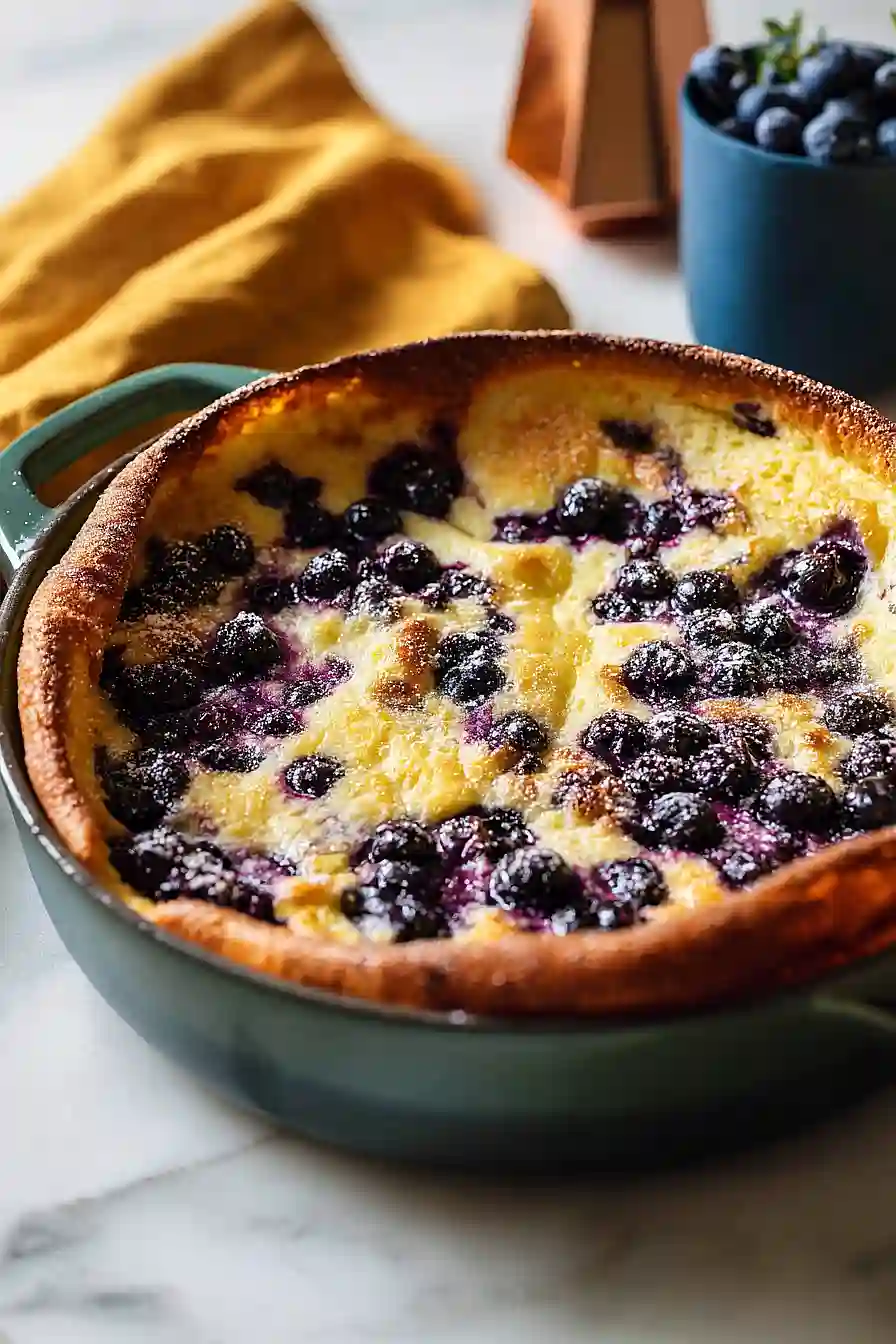
This puffy oven pancake is loaded with fresh blueberries and has a light custard-like texture that everyone loves. The sweet-tart berries burst as they bake, creating little pockets of jammy goodness throughout.
It comes together in minutes with simple ingredients like eggs, milk, and flour, then puffs up dramatically in a hot skillet. A dusting of confectioners sugar and drizzle of maple syrup make it feel special without any extra work.
It’s an impressive dish that feeds a crowd, perfect for lazy Sunday mornings when you want something a little more fun than regular pancakes.
Why You’ll Love This Dutch Baby
- Quick and impressive – This blueberry dutch baby comes together in under 30 minutes but looks like you spent hours on it, making it perfect for weekend brunch or when you want to impress guests without the stress.
- Simple ingredients – You probably have everything you need in your kitchen already—just basic pantry staples like eggs, flour, and milk plus fresh blueberries.
- Fun to make – Watching this pancake puff up dramatically in the oven is honestly the best part, and it’s a great recipe to make with kids who’ll love seeing the magic happen.
- Naturally sweet – The blueberries and hint of lemon create a balanced sweetness that’s not overly sugary, so you can feel good about serving it for breakfast.
- One-pan wonder – Everything bakes in a single skillet, which means less cleanup and more time enjoying your fluffy, fruit-filled pancake.
What Kind of Blueberries Should I Use?
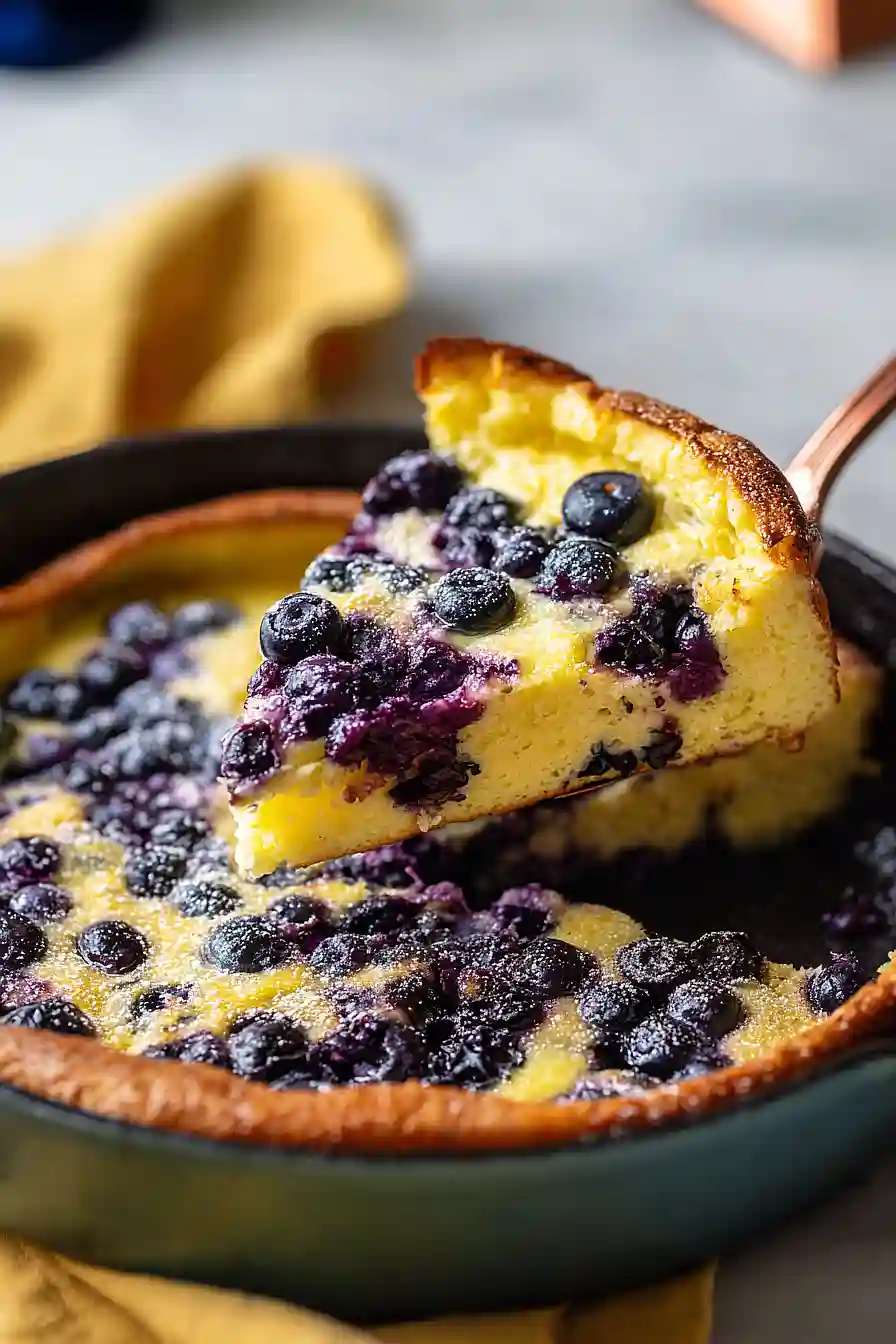
Fresh or frozen blueberries both work great for a Dutch baby, so use whatever you have on hand. If you’re using frozen, there’s no need to thaw them first – just toss them in straight from the freezer. Fresh blueberries will give you a slightly firmer texture, while frozen ones tend to release more juice as they bake, creating nice pockets of jammy sweetness throughout your pancake. Wild blueberries are smaller and pack more flavor than regular blueberries, so if you can find them at your grocery store or farmer’s market, they’re definitely worth trying in this recipe.
Options for Substitutions
This Dutch baby is pretty forgiving when it comes to swaps, so here are some options if you need them:
- Milk: You can use any milk you have on hand – skim, oat, almond, or even half-and-half will work. Just stick with whole or 2% if you want the richest texture.
- All-purpose flour: In a pinch, you can use a 1:1 gluten-free flour blend, though the texture might be slightly different. I wouldn’t recommend substituting this with other flours like almond or coconut as they won’t give you the same puffy result.
- Blueberries: Fresh or frozen blueberries both work great. You can also swap them out for raspberries, blackberries, sliced strawberries, or even diced apples or pears. If using frozen berries, don’t thaw them first.
- Lemon zest: Orange zest makes a nice substitute, or you can leave it out entirely if citrus isn’t your thing. You could also add a pinch of cinnamon or nutmeg instead for a warmer flavor.
- Butter: While butter gives the best flavor and helps create that crispy edge, you can use coconut oil or a neutral vegetable oil if needed.
Watch Out for These Mistakes While Baking
The biggest mistake when making a Dutch baby is opening the oven door during baking, which causes the pancake to deflate instead of puffing up beautifully – resist the urge to peek until the timer goes off.
Another common error is not preheating your skillet properly, so make sure it’s hot enough that the butter sizzles when you add it, which helps create those crispy, golden edges.
Don’t forget to work quickly once you pour the batter into the hot skillet and get it straight into the oven, as any delay can affect how much the pancake rises.
Finally, serve your Dutch baby immediately after dusting it with confectioners sugar, since it will naturally deflate within a few minutes of coming out of the oven – that’s completely normal and doesn’t mean you did anything wrong.
What to Serve With Blueberry Dutch Baby?
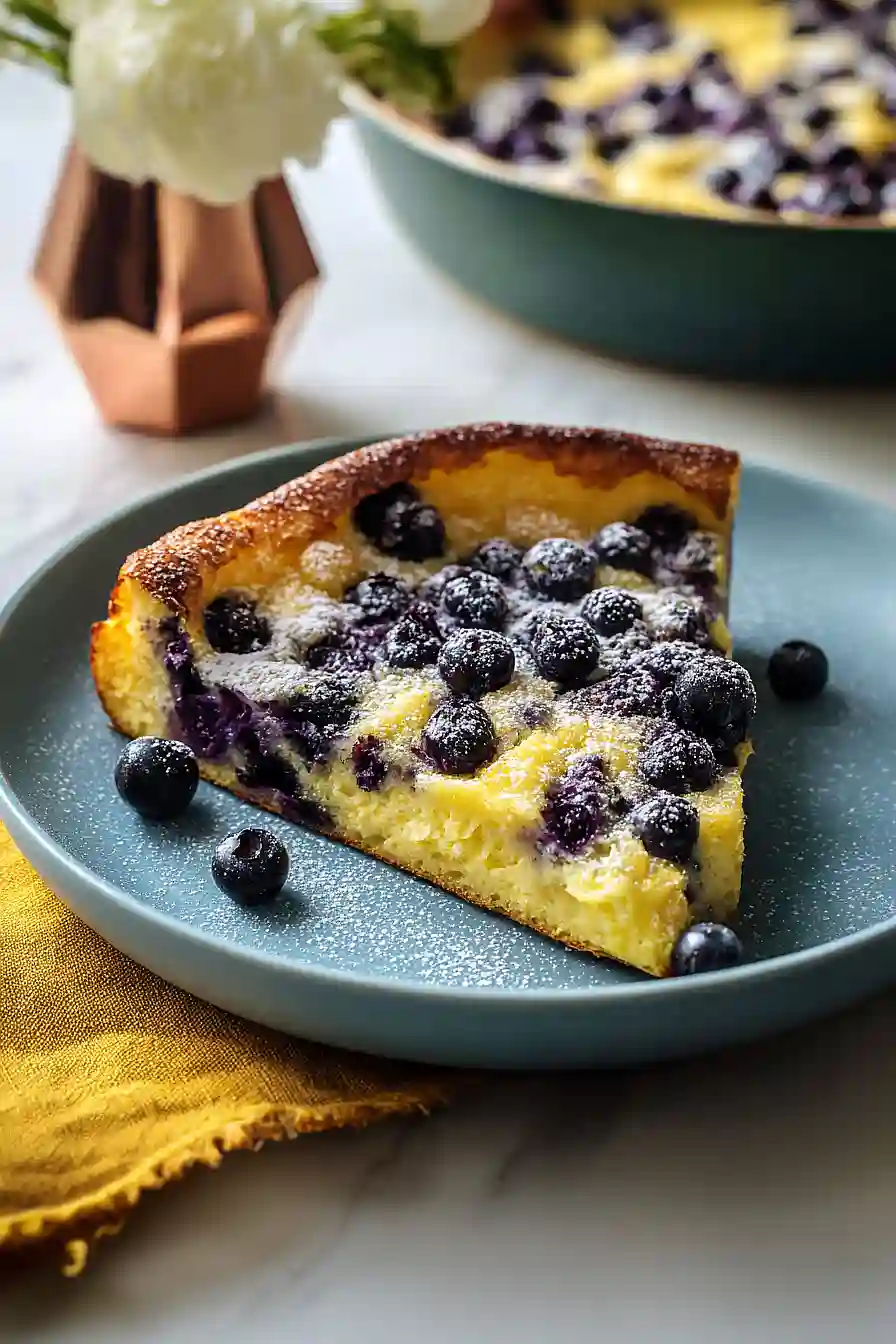
A blueberry dutch baby is pretty filling on its own, but I love serving it with a side of crispy bacon or breakfast sausage to balance out the sweetness. You could also add a dollop of whipped cream, Greek yogurt, or even mascarpone cheese on top for extra richness. If you want to go all out for brunch, pair it with scrambled eggs and fresh fruit like sliced strawberries or orange segments. A hot cup of coffee or fresh-squeezed orange juice rounds out the meal perfectly.
Storage Instructions
Store: Dutch baby is really best enjoyed fresh from the oven while it’s still puffy and warm. If you have leftovers, you can keep them in an airtight container in the fridge for up to 2 days, but just know it won’t have that signature puffiness anymore.
Reheat: Pop leftover slices in a 350°F oven for about 5-7 minutes to warm them through. The microwave works too, but the oven will help crisp up the edges a bit better. It’ll be more like a thick pancake than the original fluffy dutch baby, but it still tastes great!
| Preparation Time | 10-15 minutes |
| Cooking Time | 15-20 minutes |
| Total Time | 25-35 minutes |
| Level of Difficulty | Easy |
| Servings | 4 servings |
Estimated Nutrition
Estimated nutrition for the whole recipe (without optional ingredients):
- Calories: 950-1100
- Protein: 25-30 g
- Fat: 42-48 g
- Carbohydrates: 120-135 g
Ingredients
For the batter:
- 1 tsp vanilla
- 2 tbsp unsalted butter (melted and cooled to room temperature)
- 1 lemon zest
- 3 tbsp sugar
- 1/2 cup milk
- 4 eggs (room temperature, about 70°F)
- 1/4 tsp salt
- 1/2 cup flour (I always use King Arthur all-purpose flour)
For the skillet:
- 1 cup blueberries
- 2 tbsp unsalted butter (I like Kerrygold unsalted butter for this)
For the toppings (optional):
- maple syrup
- confectioners sugar (sifted to remove lumps)
Step 1: Prepare the Oven and Skillet
Preheat your oven to 450°F and place a 10-12 inch cast iron skillet (or similar oven-safe skillet) on the middle rack to heat throughout preheating.
This initial heat is crucial—a properly heated skillet creates the characteristic puffy, golden edges that define a great Dutch baby.
While the oven preheats, let your eggs come to room temperature if they aren’t already, as this helps create a smoother, more cohesive batter.
Step 2: Build the Batter
- 2 tbsp unsalted butter
- 1/2 cup milk
- 1/2 cup flour
- 4 eggs
- 3 tbsp sugar
- 1 tsp vanilla
- 1/4 tsp salt
- 1 lemon zest
Combine the melted and cooled butter, milk, flour, room temperature eggs, sugar, vanilla, salt, and lemon zest in a blender.
Blend on high speed for about 30 seconds until the batter is completely smooth and homogenous—this creates the silky texture that results in a tender Dutch baby.
I like to let the batter rest for a minute after blending; it helps any air bubbles escape and gives the flour a moment to fully hydrate, which promotes even, dramatic rising in the oven.
Step 3: Sear the Blueberries and Add Batter
- 2 tbsp unsalted butter
- 1 cup blueberries
- batter from Step 2
Carefully remove the preheated skillet from the oven and place it on the stovetop over medium-high heat.
Add the 2 tablespoons of Kerrygold butter (or other high-quality unsalted butter) and let it melt and foam, about 1-2 minutes.
Add the fresh blueberries and let them toast for just 30-45 seconds, swirling gently—this caramelizes their exteriors and concentrates their flavor.
Immediately pour the batter from Step 2 over the hot blueberries, working quickly so the batter can grab the heat and start cooking right away.
Step 4: Bake Until Puffed and Golden
Transfer the skillet back to the oven immediately and bake for 15 minutes, or until the Dutch baby is dramatically puffed and the edges are golden brown.
Resist the urge to open the oven door—the sudden temperature drop can cause it to deflate.
The center should be set but still have a slight jiggle, similar to a custard.
When it emerges from the oven, it will be at its peak puffiness before gently settling as it cools.
Step 5: Finish and Serve
- confectioners sugar
- maple syrup
Remove the Dutch baby from the oven and work quickly—dust the top generously with sifted confectioners sugar while it’s still warm so it adheres beautifully.
Transfer to a serving plate immediately and drizzle with warm maple syrup.
I find that serving it directly in the skillet at the table creates a nice presentation, but transferring to a plate works just as well.
Serve immediately while it’s still warm and at its most dramatic height.
30-Minute Blueberry Dutch Baby
Ingredients
Method
- Preheat your oven to 450°F and place a 10-12 inch cast iron skillet (or similar oven-safe skillet) on the middle rack to heat throughout preheating. This initial heat is crucial—a properly heated skillet creates the characteristic puffy, golden edges that define a great Dutch baby. While the oven preheats, let your eggs come to room temperature if they aren't already, as this helps create a smoother, more cohesive batter.
- Combine the melted and cooled butter, milk, flour, room temperature eggs, sugar, vanilla, salt, and lemon zest in a blender. Blend on high speed for about 30 seconds until the batter is completely smooth and homogenous—this creates the silky texture that results in a tender Dutch baby. I like to let the batter rest for a minute after blending; it helps any air bubbles escape and gives the flour a moment to fully hydrate, which promotes even, dramatic rising in the oven.
- Carefully remove the preheated skillet from the oven and place it on the stovetop over medium-high heat. Add the 2 tablespoons of Kerrygold butter (or other high-quality unsalted butter) and let it melt and foam, about 1-2 minutes. Add the fresh blueberries and let them toast for just 30-45 seconds, swirling gently—this caramelizes their exteriors and concentrates their flavor. Immediately pour the batter from Step 2 over the hot blueberries, working quickly so the batter can grab the heat and start cooking right away.
- Transfer the skillet back to the oven immediately and bake for 15 minutes, or until the Dutch baby is dramatically puffed and the edges are golden brown. Resist the urge to open the oven door—the sudden temperature drop can cause it to deflate. The center should be set but still have a slight jiggle, similar to a custard. When it emerges from the oven, it will be at its peak puffiness before gently settling as it cools.
- Remove the Dutch baby from the oven and work quickly—dust the top generously with sifted confectioners sugar while it's still warm so it adheres beautifully. Transfer to a serving plate immediately and drizzle with warm maple syrup. I find that serving it directly in the skillet at the table creates a nice presentation, but transferring to a plate works just as well. Serve immediately while it's still warm and at its most dramatic height.