I’ll be honest—I used to think London broil was some fancy British cut of beef. Turns out, it’s not a cut at all. It’s actually a cooking method, and the steak you use can be pretty much any lean cut that takes well to marinating and high heat.
The thing about London broil is that it can go from tender and juicy to tough and chewy real fast if you don’t treat it right. That’s where a good marinade comes in. This one’s built on soy sauce and balsamic vinegar, which sounds simple, but those two ingredients do the heavy lifting. The soy sauce adds that salty, savory base while the balsamic brings a little sweetness and helps break down the meat’s fibers so it stays tender. Throw in some garlic and onion, and you’ve got yourself a marinade that actually does its job.
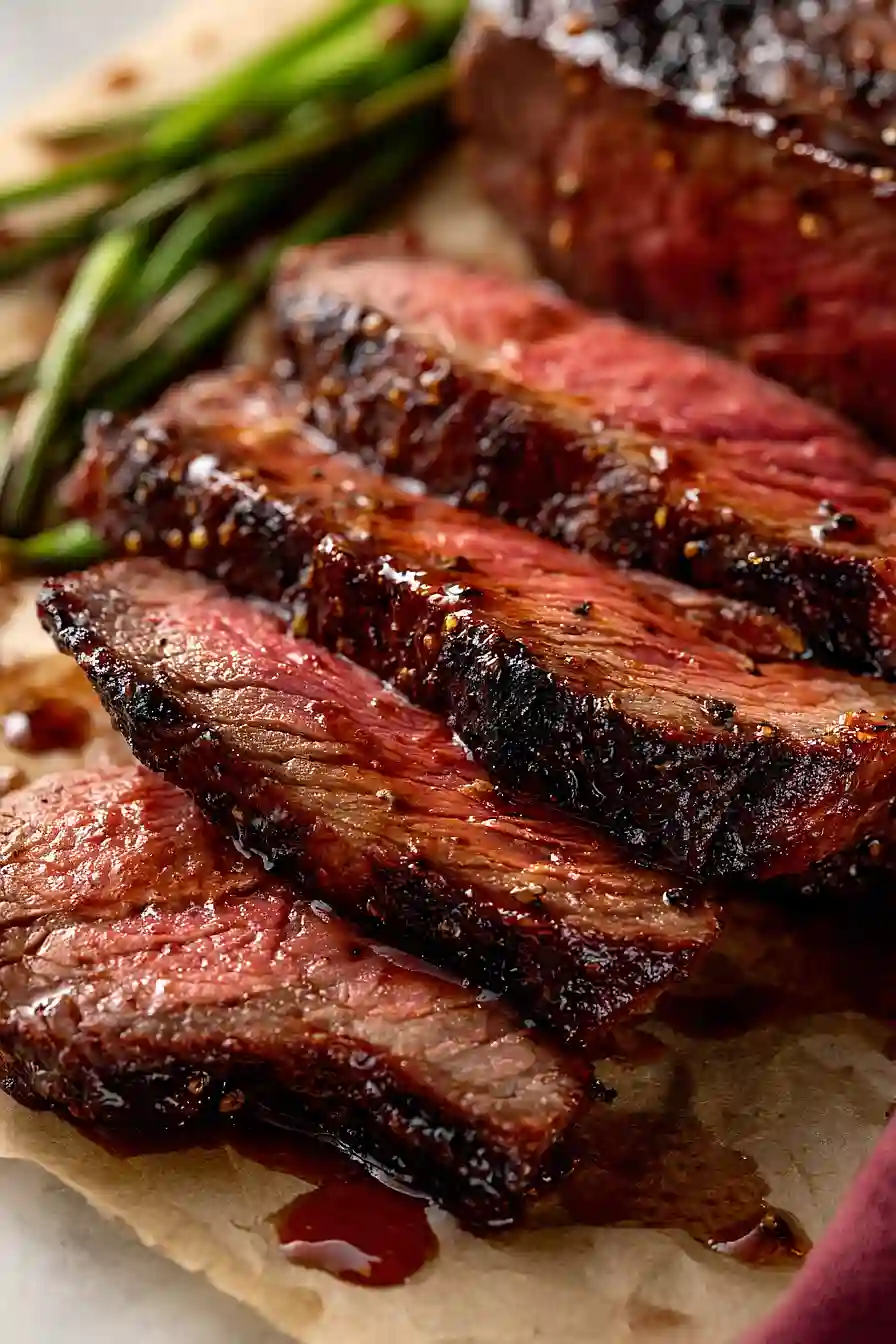
Why You’ll Love This London Broil Steak Marinade
- Simple ingredients – You probably already have soy sauce, garlic, and onion in your kitchen, making this an easy go-to recipe without a special trip to the store.
- Quick preparation – This marinade comes together in just minutes, and the steak cooks in under 30 minutes total, making it perfect for busy weeknights.
- Budget-friendly cut – London broil is an affordable cut of beef that becomes tender and flavorful with this marinade, giving you restaurant-quality results without the price tag.
- Minimal cleanup – With just a handful of ingredients and one marinade to make, you’ll spend less time doing dishes and more time enjoying your meal.
What Kind of London Broil Should I Use?
London broil isn’t actually a specific cut of meat, but rather a cooking method that typically uses tougher cuts like top round or flank steak. You’ll usually find it labeled as “London broil” at the grocery store, and it’s generally a lean, thick cut that benefits from a good marinade to help tenderize it. Look for a piece that’s about 1.5 to 2 inches thick with minimal visible fat, and try to choose one with consistent thickness throughout so it cooks evenly. If your butcher has both top round and flank steak available, either will work great for this recipe, though flank steak tends to be a bit more tender and flavorful.
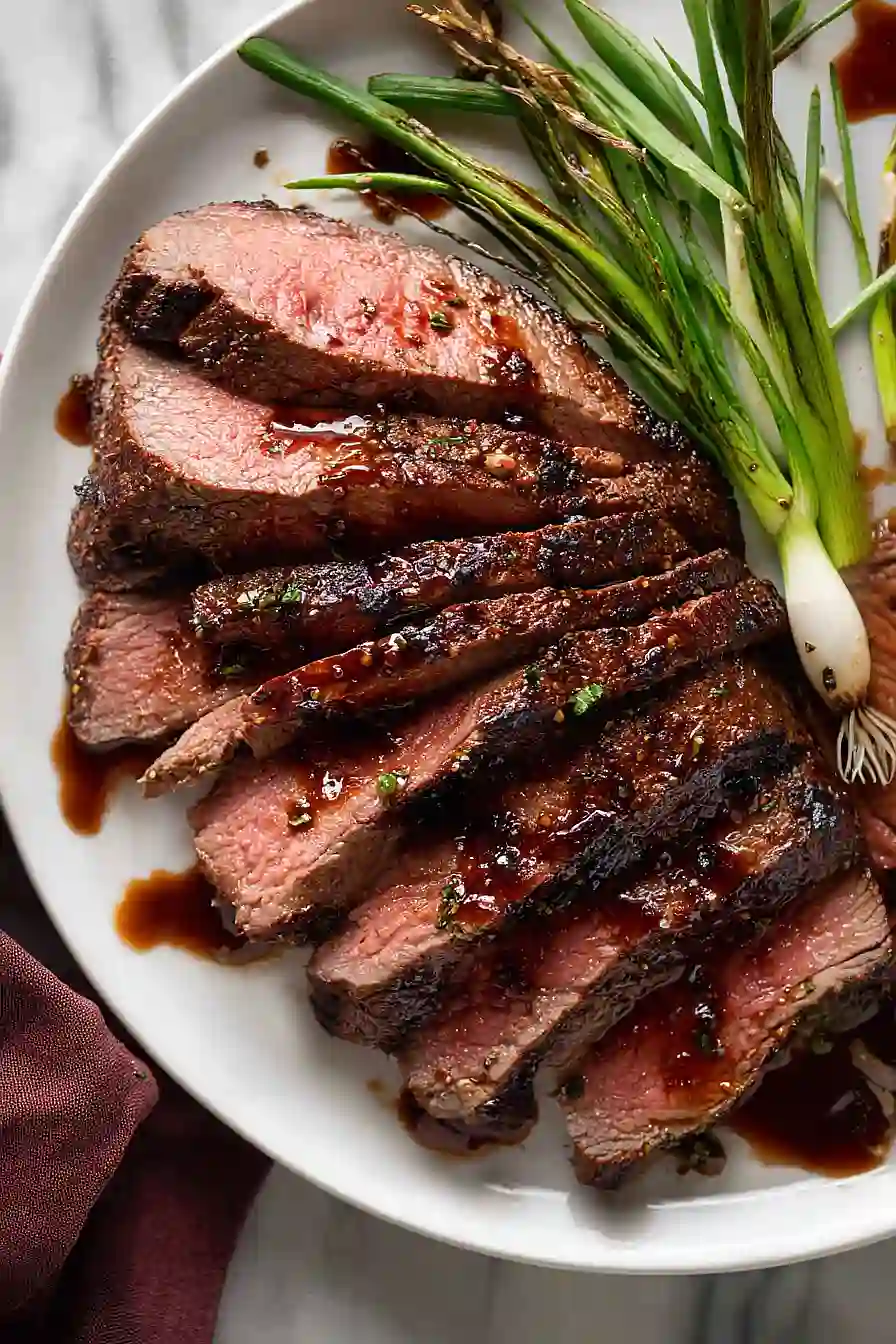
Options for Substitutions
This marinade is simple, but here are some swaps you can make if needed:
- London Broil: London Broil is typically a flank steak or top round. If you can’t find it labeled as such, ask your butcher for flank steak, top round, or even skirt steak. They all work well with this marinade and cooking method.
- Soy sauce: Regular soy sauce works great, but if you’re watching sodium, use low-sodium soy sauce. For a gluten-free option, tamari is your best bet. Coconut aminos will work too, though the flavor will be slightly sweeter and less salty.
- Fresh garlic: Fresh garlic is best for this marinade, but if you’re in a bind, you can use 2 teaspoons of garlic powder instead. Just mix it directly into the liquid ingredients.
- Fresh onion: A fresh onion adds great flavor, but you can substitute with 2 tablespoons of onion powder mixed into the marinade if that’s what you have on hand.
- Black pepper: Freshly ground black pepper is ideal, but pre-ground pepper from your spice rack works just fine. You could also add a pinch of red pepper flakes if you like a little heat.
Watch Out for These Mistakes While Grilling
The biggest mistake when cooking London broil is not slicing against the grain, which can turn this already tough cut into something nearly impossible to chew – look for the lines running through the meat and cut perpendicular to them for maximum tenderness.
Skipping the resting period after grilling will cause all those flavorful juices to run out onto your cutting board instead of staying in the meat, so always let it sit covered for at least 10 minutes before slicing.
Over-marinating can actually work against you here since the soy sauce can make the exterior mushy if left for more than 24 hours, and don’t forget to pat the meat completely dry before grilling or you’ll end up steaming it instead of getting that nice charred crust.
Finally, cooking London broil past medium-rare (around 130-135°F) will make it tough and chewy, so pull it off the grill right when your thermometer hits 130°F and trust that the resting time will bring it to the perfect temperature.
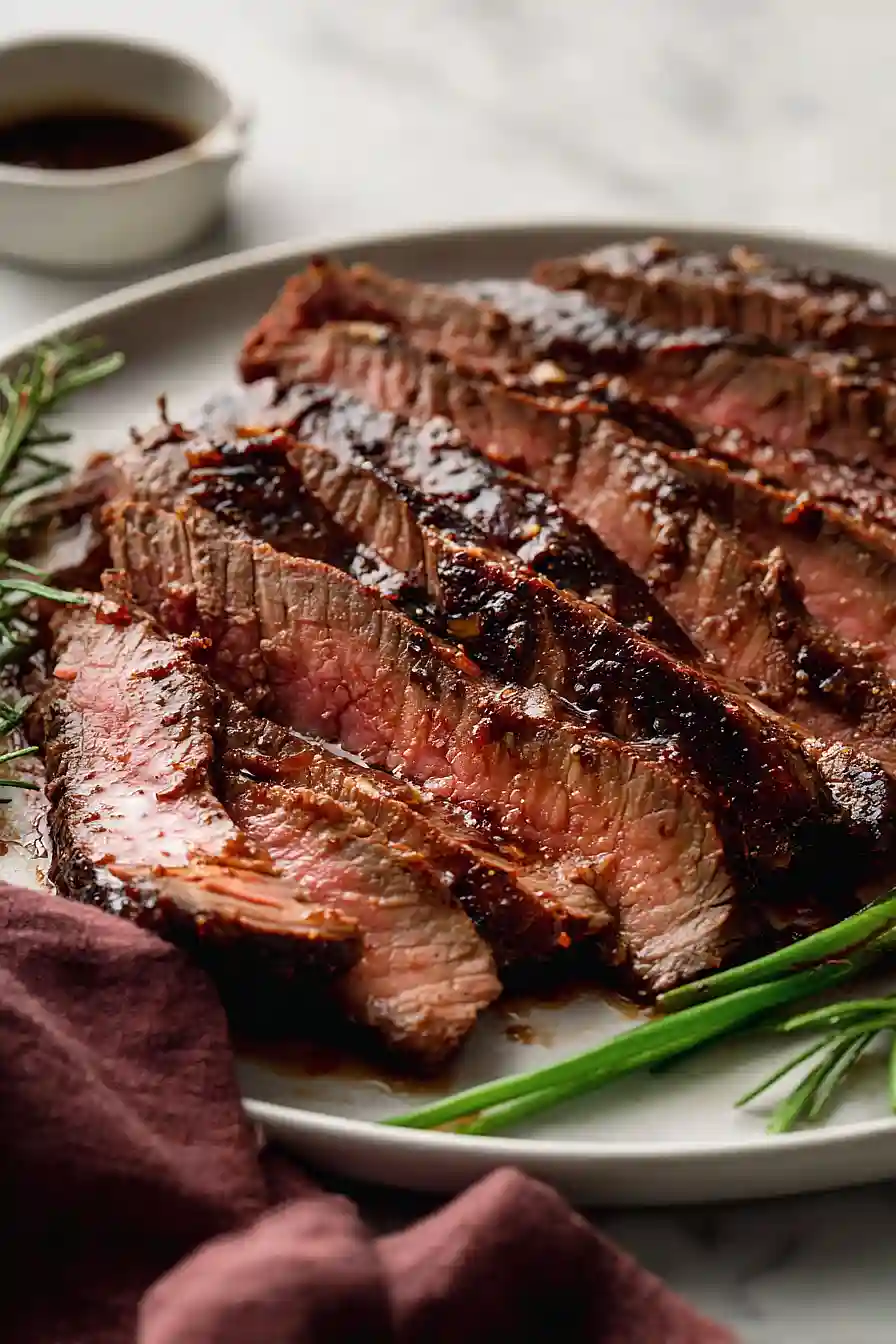
What to Serve With London Broil?
London broil is a hearty steak that pairs perfectly with classic steakhouse sides like baked potatoes, mashed potatoes, or roasted vegetables. I love serving it with a simple arugula salad dressed with olive oil and lemon to cut through the richness of the meat. Since the marinade has such bold flavors from the soy sauce and garlic, you can keep your sides pretty simple – think roasted asparagus, sautéed green beans, or even just a pile of crispy french fries. Don’t forget to slice the steak thin against the grain and serve it over rice or alongside crusty bread to soak up any extra marinade juices.
Storage Instructions
Marinate: You can definitely prep this ahead by marinating the London broil in the fridge for anywhere from 4 hours to overnight. The longer it sits, the more flavor it soaks up. Just make sure it’s in a sealed container or zip-top bag so the marinade doesn’t leak everywhere.
Store: Once your steak is cooked, let it cool down and then wrap it tightly in foil or store it in an airtight container in the fridge. It’ll stay good for about 3 to 4 days, and honestly makes amazing leftovers for sandwiches or salads.
Freeze: If you want to freeze the cooked steak, slice it first and then wrap it well in plastic wrap and foil, or use a freezer-safe container. It’ll keep for up to 3 months and thaws pretty quickly in the fridge overnight.
Reheat: To warm up your leftovers without drying them out, heat slices gently in a skillet over medium-low heat with a splash of beef broth or water. You can also microwave it on medium power, but keep an eye on it so it doesn’t get tough.
| Preparation Time | 10-15 minutes |
| Cooking Time | 20-25 minutes |
| Total Time | 25-30 minutes |
| Level of Difficulty | Medium |
| Servings | 6 servings |
Estimated Nutrition
Estimated nutrition for the whole recipe (without optional ingredients):
- Calories: 1050-1250
- Protein: 125-145 g
- Fat: 25-35 g
- Carbohydrates: 35-45 g
Ingredients
For the beef:
- 2 lb beef (I recommend top round or flank steak for this)
For the marinade:
- 3/4 cup soy sauce (I always use Kikkoman for the best salt balance)
- 1/4 cup water
- 1/4 cup balsamic vinegar
- 2 tablespoons olive oil
- 1 large onion (quartered to blend easily)
- 8 garlic cloves (freshly peeled for a punchier flavor)
- 1 1/2 tsp black pepper
Step 1: Prepare the Marinade Base
- 3/4 cup soy sauce
- 1/4 cup water
- 1/4 cup balsamic vinegar
- 2 tablespoons olive oil
- 1 large onion, quartered
- 8 garlic cloves
- 1 1/2 tsp black pepper
Combine soy sauce, water, balsamic vinegar, and olive oil in a blender.
Add the quartered onion and freshly peeled garlic cloves, then blend until completely smooth.
I always use fresh garlic cloves rather than pre-minced—the flavor punch is noticeably sharper and more vibrant.
Season with black pepper and blend briefly to incorporate.
Step 2: Marinate the Beef
- 2 lb beef
- marinade from Step 1
Place the 2 lb beef in a large resealable bag or shallow dish.
Pour the marinade from Step 1 over the meat, ensuring it’s fully covered and coated on all sides.
Seal the bag or cover the dish, then refrigerate for at least 6 hours or preferably overnight.
The longer marinating time allows the flavors to penetrate deeply into the meat, creating a more complex and tender result.
Step 3: Prepare the Meat for Cooking
- marinated beef from Step 2
Remove the marinated beef from the refrigerator 1 hour before you plan to cook it.
This allows the meat to come to room temperature, which ensures more even cooking throughout.
Pat the meat dry with paper towels to remove excess marinade—this step is crucial for achieving a good sear and caramelization on the grill.
Step 4: Sear and Cook the Steak
- room-temperature beef from Step 3
Heat your grill to 450-500°F until it’s smoking hot.
Place the dried beef directly on the grill grates and cook for 8-12 minutes total, flipping every minute to develop an even crust while keeping the interior rare to medium-rare.
I find flipping frequently prevents the exterior from burning while the interior stays perfectly pink.
Use an instant-read thermometer to check doneness, aiming for an internal temperature of 130°F for medium-rare.
Step 5: Rest and Slice
- grilled beef from Step 4
Transfer the cooked steak to a cutting board and tent loosely with foil.
Let it rest for 10 minutes—this allows the juices to redistribute throughout the meat, ensuring each slice stays tender and juicy rather than running onto the plate.
After resting, slice the meat against the grain into 1/2-inch thick slices, which maximizes tenderness.
Serve immediately.
5-Ingredient London Broil Steak Marinade
Ingredients
Method
- Combine soy sauce, water, balsamic vinegar, and olive oil in a blender. Add the quartered onion and freshly peeled garlic cloves, then blend until completely smooth. I always use fresh garlic cloves rather than pre-minced—the flavor punch is noticeably sharper and more vibrant. Season with black pepper and blend briefly to incorporate.
- Place the 2 lb beef in a large resealable bag or shallow dish. Pour the marinade from Step 1 over the meat, ensuring it's fully covered and coated on all sides. Seal the bag or cover the dish, then refrigerate for at least 6 hours or preferably overnight. The longer marinating time allows the flavors to penetrate deeply into the meat, creating a more complex and tender result.
- Remove the marinated beef from the refrigerator 1 hour before you plan to cook it. This allows the meat to come to room temperature, which ensures more even cooking throughout. Pat the meat dry with paper towels to remove excess marinade—this step is crucial for achieving a good sear and caramelization on the grill.
- Heat your grill to 450-500°F until it's smoking hot. Place the dried beef directly on the grill grates and cook for 8-12 minutes total, flipping every minute to develop an even crust while keeping the interior rare to medium-rare. I find flipping frequently prevents the exterior from burning while the interior stays perfectly pink. Use an instant-read thermometer to check doneness, aiming for an internal temperature of 130°F for medium-rare.
- Transfer the cooked steak to a cutting board and tent loosely with foil. Let it rest for 10 minutes—this allows the juices to redistribute throughout the meat, ensuring each slice stays tender and juicy rather than running onto the plate. After resting, slice the meat against the grain into 1/2-inch thick slices, which maximizes tenderness. Serve immediately.